10 Essential Things to Know Before Traveling to Barcelona
Introduction to Barcelona
Barcelona, the capital of Catalonia, is a vibrant city situated on the northeastern coast of Spain along the Mediterranean Sea. Known for its rich history, stunning architecture, and unique cultural heritage, Barcelona attracts millions of travelers each year. It serves as a confluence of various artistic elements, a historically significant port city, and a melting pot of diverse cultures. Its eclectic mix of Gothic and modernist architecture can be observed through renowned landmarks like the Sagrada Familia, Park Güell, and the historic Gothic Quarter.
The city’s history is deep-rooted, dating back to Roman times when it was known as ‘Barcino.’ As centuries progressed, Barcelona evolved into a major Mediterranean hub, gaining prominence during the Middle Ages and becoming a pivotal player during the Spanish Civil War. Its evolution is mirrored in the architectural styles that adorn the city, showcasing periods that vary from the Romanesque to the contemporary designs of Antoni Gaudí.
Apart from its historical significance, Barcelona is celebrated for its dynamic art scene. The city is home to numerous museums and galleries, including the Picasso Museum and the Fundació Joan Miró. Furthermore, its annual festivals, such as La Mercè and Sant Jordi, reflect the city’s lively traditions and local customs, providing tourists a chance to immerse themselves in its cultural vibrancy.
Ultimately, Barcelona is not just a destination; it is an experience that combines leisure, art, and gastronomy. Visitors to this remarkable city find themselves captivated by its unique charm and undeniable allure, compelling them to return time and time again. From its popular beaches to its mountainous landscapes, Barcelona offers something for everyone, making it an essential stop on any traveler’s itinerary.
Best Time to Visit Barcelona
Determining the best time to visit Barcelona requires consideration of various elements, including weather conditions, peak tourist seasons, and local events. This vibrant city boasts a Mediterranean climate, characterized by hot summers and mild winters, making it a year-round destination.
Typically, the most pleasant seasons to explore Barcelona are spring (April to June) and early autumn (September to October). During these months, the weather is moderate, with temperatures averaging between 20°C to 25°C (68°F to 77°F). This climate is conducive for outdoor activities and sightseeing, allowing travelers to enjoy the city’s architectural wonders and beautiful parks. Additionally, fewer crowds compared to the peak summer months make it easier to navigate popular attractions.
In contrast, summer (July to August) marks peak tourist season in Barcelona, resulting in higher accommodation costs and larger crowds at major attractions like the Sagrada Familia and Park Güell. Temperatures can soar above 30°C (86°F), making exploring the city during the hottest parts of the day less comfortable. Visitors opting for this period should consider visiting early in the morning or later in the evening when temperatures become more bearable.
Winter (November to March) is characterized by cooler weather, with average temperatures ranging from 10°C to 15°C (50°F to 59°F). While this season sees fewer tourists, it also means that the city is quieter, offering a unique chance to experience local culture and festivities, particularly during the Christmas season. Travelers seeking a more authentic perspective of Barcelona may find winter an attractive option.
Ultimately, the ideal time to visit Barcelona largely depends on personal preferences. Understanding the weather patterns, crowds, and seasonal events can guide travelers in selecting a timeframe that aligns with their interests and enhances their experience in this enchanting city.
Cultural Etiquette and Local Customs
Understanding cultural etiquette and local customs is essential for anyone traveling to Barcelona. The vibrant city, steeped in rich history and customs, presents an opportunity for visitors to engage respectfully with its inhabitants and traditions.
The primary language spoken in Barcelona is Catalan, although Spanish is also widely used. It is beneficial for travelers to familiarize themselves with a few basic phrases in Catalan, as this can foster goodwill among locals. Simple greetings and pleasantries go a long way in establishing rapport with the residents.
Dining etiquette in Barcelona is integral to experiencing the local culture. Typically, lunch is served later in the day, around 2 PM, with dinner commencing around 9 PM or even later. It is customary to wait for the host to initiate the meal by saying “Bon profit!” before starting to eat. Tipping is not obligatory in restaurants, but leaving a small amount of change or rounding up the bill is appreciated.
When it comes to behavior in public spaces, it is important to respect the local customs regarding noise levels and personal space. The Catalan people value politeness and courtesy; thus, a friendly demeanor and polite interactions will enrich your experience. Avoiding loud conversations in public transport, especially in buses and the metro, is expected. Furthermore, when using public transportation, it is considered good etiquette to offer seats to the elderly or disabled.
Barcelonians take pride in their traditions, particularly during festivals and public holidays. Observing local customs during these times, such as participating in celebrations or respecting the significance of events, will enhance your understanding of the city’s culture. By embracing these cultural etiquettes and local customs, travelers can navigate Barcelona with respect and appreciation for its vibrant heritage.
Navigating Barcelona: Transportation Tips
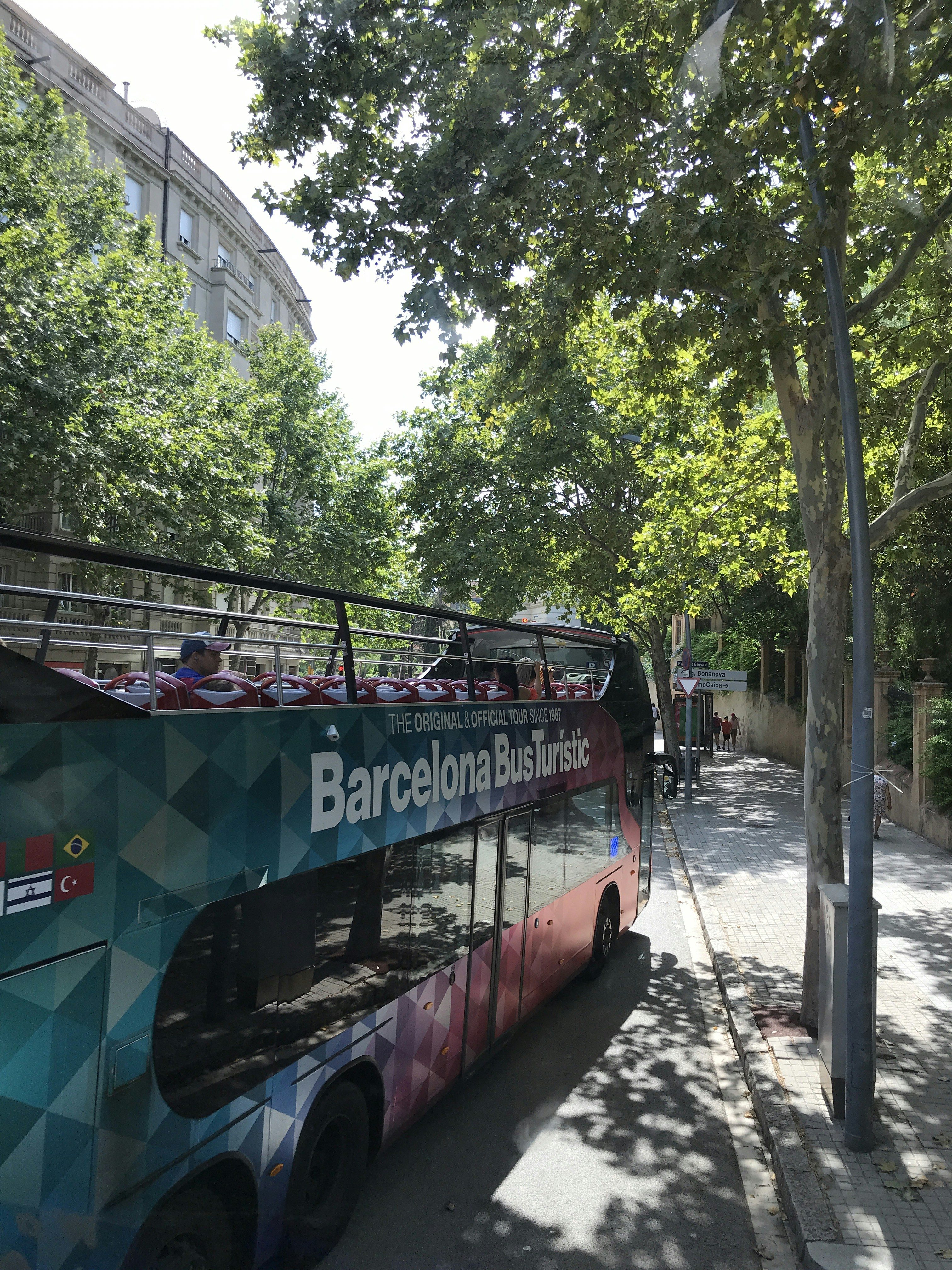
Barcelona, with its vibrant streets and diverse neighborhoods, offers a plethora of transportation options that cater to both locals and tourists. Understanding these options will not only enhance your travel experience but also ensure that you navigate the city efficiently.
The primary mode of public transport in Barcelona is the metro, which is not only fast but also extensive, connecting key tourist spots and neighborhoods. It is advisable to purchase a T-10 ticket, which allows for ten trips on the metro, as well as on buses and trams, making it a cost-effective choice for anyone planning to explore multiple areas. The metro runs frequently, even on evenings and weekends, providing convenience with minimal wait times.
Biking is another popular way to experience Barcelona. The city is equipped with numerous bike lanes, and rental options are abundantly available. Bicing, the city’s bike-sharing program, is an excellent choice for short trips. Visitors should keep in mind, however, to wear a helmet and follow local traffic laws to ensure safety while biking through the bustling streets.
Walking is also highly recommended as many attractions are within walking distance of each other, particularly in the Gothic Quarter and along La Rambla. This method not only allows for a closer look at the city’s architecture and culture but also provides opportunities for spontaneous exploration of shops and eateries.
In terms of safety, it is wise to stay aware of your surroundings, especially in crowded areas and on public transportation. Keeping your belongings secure and avoiding displaying valuables can reduce the risk of theft.
Overall, navigating Barcelona is an engaging experience, with various transportation options enhancing your journey through this magnificent city.